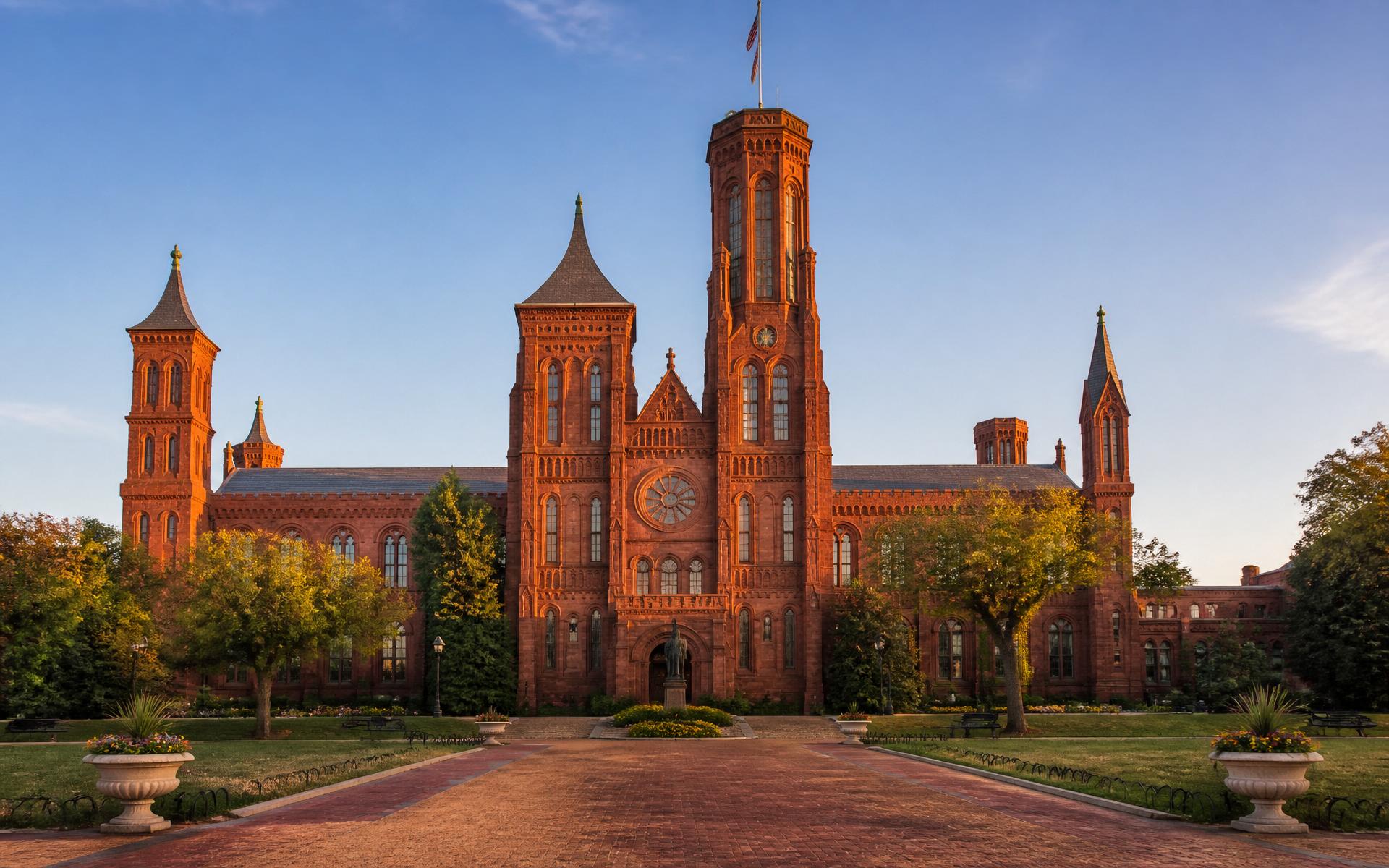
An education for the practice of democracy.
We do not train partisans. We educate professional practitioners of democracy — equipped to work on campaigns, in government, in nonprofits, in journalism, and in the stewardship of civic institutions, regardless of party.
From knowing about democracy — to being able to do it.
"What should an educated person know?"
A canon of texts. A tour of disciplines. Knowledge as its own end.
"What should an educated citizen be able to do?"
Analyze. Organize. Persuade. Draft. Negotiate. Serve. Every graduate ships evidence of practice.
We treat democracy as an interdisciplinary profession.
Politics is not a single department here. Biology asks how science becomes policy. Mathematics teaches redistricting and forecasting. Art studies propaganda and persuasion. Every discipline is examined through the common lens of how self-governing societies function — and how citizens can participate in them effectively and ethically.
Explore all 15 departments →How does science become policy?
How do we count a nation fairly?
Why do republics succeed or fail?
How do symbols move a people?
What do we owe one another?
Can code protect a vote?
Who bears the public cost?
Why do we believe what we believe?
Four years. One republic to understand.
- IYear
Democracy Foundations
History of democracy, constitutional principles, critical thinking, writing and speaking for public life.
ProjectVolunteer with an actual campaign or civic organization.
- IIYear
Understanding Society
Political psychology, economics, sociology, statistics, media literacy, and data analysis.
ProjectAnalyze an actual election, end to end.
- IIIYear
Leadership Tracks
Choose from campaign management, public policy, organizing, administration, communications, election work, advocacy, or nonprofit leadership.
ProjectBuild a plan, draft a bill, or run a registration drive.
- IVYear
Democracy Practicum
A full-year capstone: run a real campaign, advocacy org, civic tech tool, or public information effort.
ProjectShip real work. Reflect on strategy, outcomes, and ethics.
Every semester, the campus becomes a living democracy.
Students form parties and issue coalitions. They organize campaigns, recruit volunteers, host debates, produce advertising, conduct polling, publish endorsements, fact-check opponents, administer elections, and count ballots. Faculty grade the craft — planning, ethics, evidence, reflection — never the winner.
Enter the LabNot "Political Science."
A profession.
Our graduates go where the work of self-government is actually done — on campaigns of every party, in city halls, at nonprofits, in newsrooms, and wherever citizens organize themselves to solve public problems.
"Students engage seriously with competing political philosophies across the ideological spectrum, practice respectful debate, and are evaluated on the rigor of their analysis and civic competence — never agreement with any particular viewpoint."